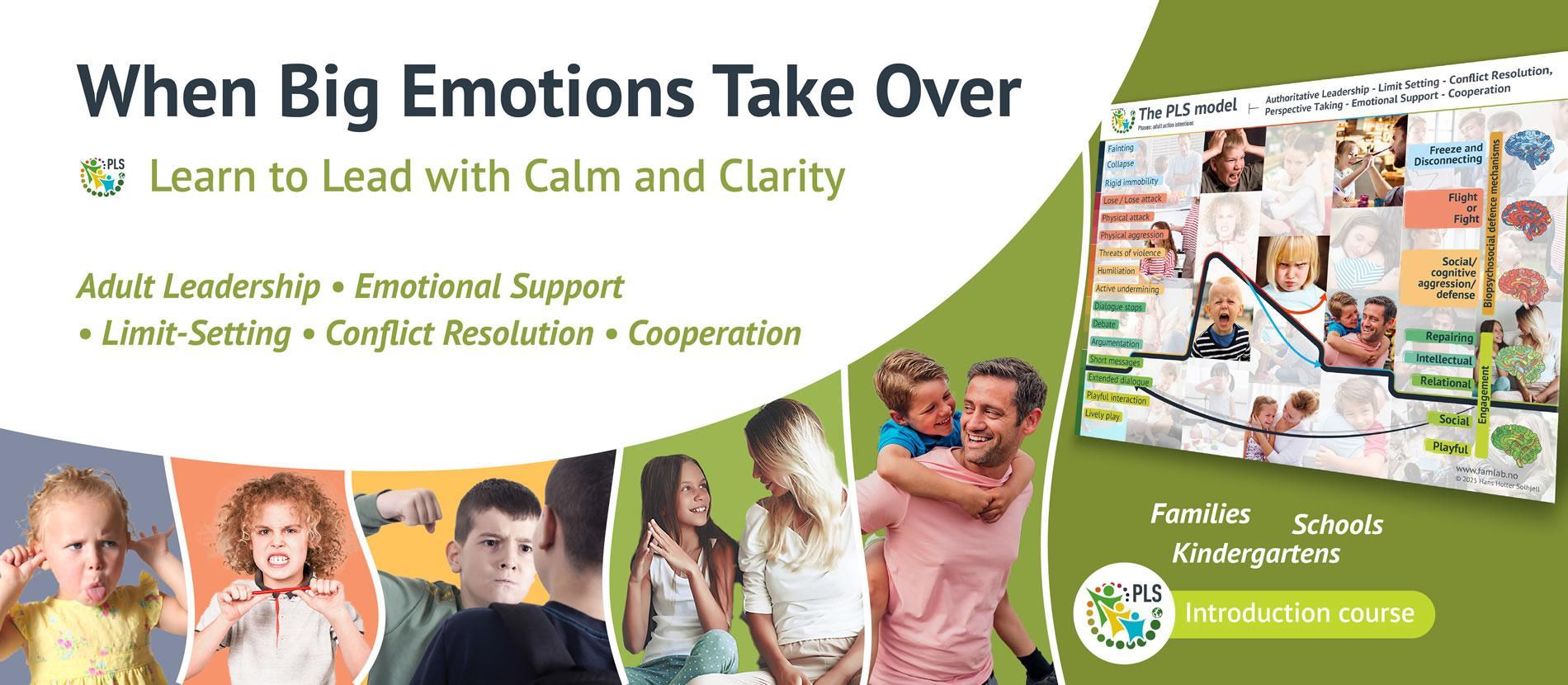
An Online Course on
Authoritative Adult LeadershipLimit SettingConflict ResolutionPerspective TakingEmotional Support and Cooperation
based on the PLS model™
For parents and educators
Price: USD 199
“In situations that were previously stuck or difficult, I’ve been able to help children work through big emotions—and experienced that the next time it gets hard, things are resolved more easily. I’ve learned, and so have they.
Now that I’ve been working with this for over a year, I see such major results.”
Does this sound familiar?
- Your child often has big emotional reactions—and they last much longer than you’d expect.
- Small triggers lead to big outbursts that are hard to calm down.
- They seem constantly frustrated or angry.
- Arguments and conflicts with siblings, friends, or adults happen all too often.
- You’re worried about aggressive, destructive, or violent behavior.
- Everyday situations are stressful and conflict prone.
- You become frustrated, stressed, angry or withdrawn yourself.
Then this course is for you.
You’ll learn practical, structured models and concrete skills to respond with clarity, skillful confidence, support your child’s development, and turn even the most challenging situations into opportunities for connection, learning, and growth.
What You Will Learn in This Course
✔ Communicate and Resolve Conflict More Effectively
Learn how to navigate emotional moments using the PLS Model — a powerful, structured tool that brings clarity, strengthens connection, and builds understanding in high-stress or chaotic situations.
✔ The 5 Phases of Leadership and Conflict Resolution
Gain a step-by-step approach to adult leadership and conflict resolution—including the key skills for each phase and how to develop them over time.
✔ Support Emotional Regulation—Yours and Theirs
Understand how to build emotional safety and resilience for both children and adults. Learn about self-regulation, co-regulation, and how to provide regulation support during emotional moments.
✔ Trauma and the Developing Child
Discover how relational stress, trauma, and complex trauma influence children’s behavior, emotions, and relationships—and how to respond in ways that heal, not escalate.
✔ Foundations for Growth and Mental Health
Explore what supports optimal development, mental well-being, learning, play, and secure attachment — and what may disrupt or hinder these foundations.
✔ The Brain–Body Connection in Stress and Safety
Get practical insights into how the autonomic nervous system, polyvagal theory, and the fight–flight–freeze response shape behavior—and how to work with the body’s natural systems instead of against them.
“I’ve attended many courses about trauma, how the brain works, and much more—but I was looking for something more practical. Something that connects the theory with the concrete challenges in everyday situations.
The PLS model™ is a fantastic combination of the practical and the theoretical — it fits like a glove, and it works really well.”
“It’s an incredible feeling to be able to master this challenge—especially in a situation that felt so demanding and discouraging, where we felt like we were stuck in a negative spiral. As parents, it’s a huge sense of mastery to see such a positive and clear change in the child so quickly with the correct use of the PLS model™.”
Resolve conflict and support your child's development
The models and principles in this course are relevant to support all children's optimal development, and in particular, for those who need extra support, most children in the 2-5 age group, and also older children who are face life challenges, transitions, struggling from stress or trauma, or other self-regulation related issues and even diagnoses.
For families, schools and kindergartens
This course and the PLS model™ is relevant for parents and those who work with children in school or kindergarten. It is also relevant to others who want to better understand themselves and their own reactions to relational stress and trauma.
After this course, you will have a clear idea about how to resolve everyday conflicts and create a relational environment that supports children's self-regulation capacity and that is supportive of children’s development in general.
“The PLS model™ provides a structure that makes it easier to handle demanding situations. We gained much better skills for handling challenges. It also makes it easier for the adults to work together. The PLS model™ makes it easier to guide teachers and assistants who work directly with the students. There’s been a lot of positive progress this year.”
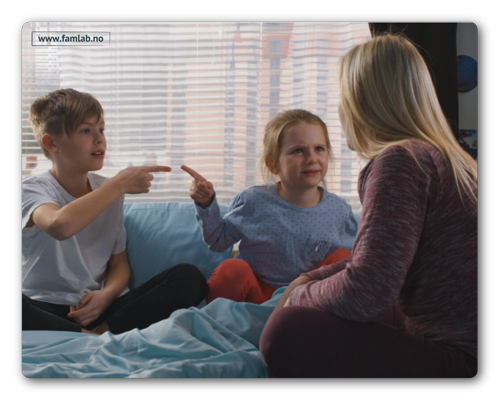
Testimonials
“It’s an incredible feeling to be able to master this challenge—especially in a situation that felt so demanding and discouraging, where we felt like we were stuck in a negative spiral. As parents, it’s a huge sense of mastery to see such a positive and clear change in the child so quickly with the correct use of the PLS model™.
My partner and I now feel much more confident in our parenting roles. We’re more in sync and better able to support one another. We complement each other more and can step in for each other when one of us is feeling overwhelmed.
It’s also a good feeling for both of us that our communication is no longer marked by conflict—but by conversation and reflection about different situations and our roles as parents.”
"This course and the models gave us a concrete language and way of understanding conflict situations that we could agree on and improve our cooperation on how to create better relationship with our kids".
“I love your way of teaching and yes, I totally find the overall subject (five phases, perspective taking communication, considering the perspective of the child...) useful for myself. I was shocked to see, how little work is needed sometimes. I just couldn't believe myself how easy I now can handle the situation by simply listening to the child, by simply being more attentive and by getting down on his level and trying to understand him well before I react or do anything. Really, it all seems so logical und understandable to me now; now that I have gone through the workshop with you. Thank you for this, too."
"The PLS model™ is a fantastic combination of the theory and the practical, in a way that is really effective."
"I have learned how to meet the strong reactions of my boy with empathy, in a manner that actually reaches him. And I have become much wiser with regards to limit-setting."
"Thank you! The models have really helped us!"
"In my experience, the models are concrete and practically useful, both in simple everyday situations, as well in the more difficult ones.
And especially useful in the most challenging relationships, where we need to repair, build trust and provide the child with new opportunities for positive relational experiences, cooperation and mutual problem-solving."
Course information and price
Online video lectures:
You will receive access to the videos when signing up.
Language:
- - The video lectures are in English
Price: USD 199
Group options:
5 or more: USD 149 per person.
10 or more: USD 129 per person.
Hans Holter Solhjell, creator of the PLS framework
Hi, and welcome to this course! I am so glad you are here! I am a Norwegian educator specializing in developmentally supportive communication and conflict resolution.
Over the past 15 years, I have developed and refined the PLS framework and its models, the PLS model™, the Perspective Spiral, and the Response Funnel, and I have taught these models to parents, kindergartens, and schools in Norway as well as internationally.

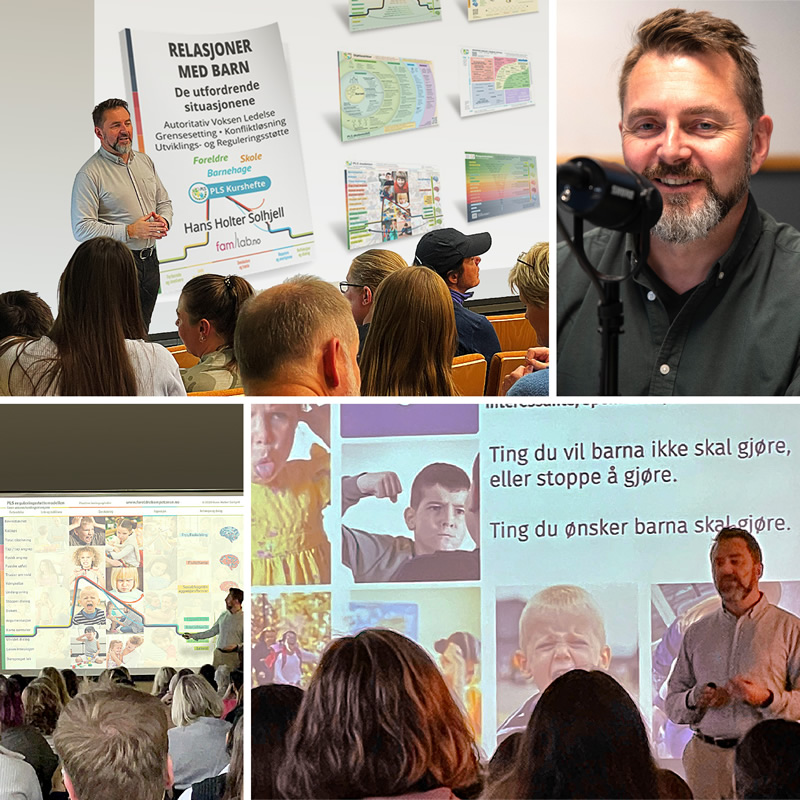
My academic background is in pedagogy, where I wrote my thesis on topics such as self-regulation, brain and nervous system development, developmental theory, trauma, relationships, communication, and conflict resolution. Since then, I have dedicated my work to developing and teaching practical models that translate theory into useful tools for real-life challenges.
In addition to my work with parents, schools, and kindergartens, I also practice body-oriented trauma therapy. I am a Global Certification Trainer in Trauma Release Exercises (TRE), a practitioner of Somatic Experiencing (SE, a body-oriented trauma therapy), and trained in the Feldenkrais Method of somatic learning. I take a multidisciplinary approach to create optimal solutions for complex challenges. You can read more about me here.
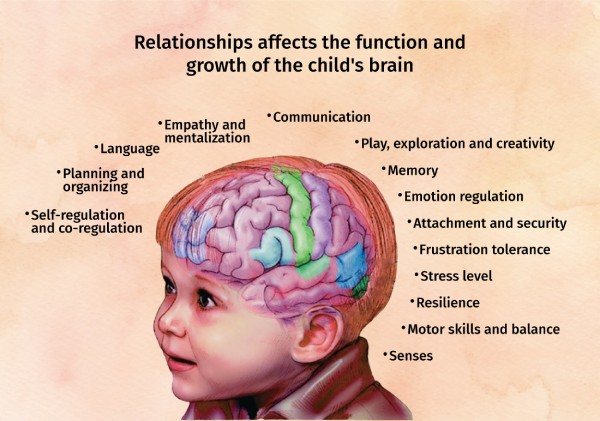
The importance of relationships for the developing child, the brain, optimal development and mental health.
Relationships shape the brain
Psychoneurobiological attachment theory describes how relational interpersonal experiences affect the development and function of the brain and nervous system. And especially the features and parts of the brain that are related to affect regulation, self-regulation, and executive functions. Affect regulation and self-regulation are skills that we continue to develop throughout our lives, including throughout our adulthood.
A child’s development of self-regulation capacity is largely influenced by the quality of co-regulation and regulation support they get from their caregivers in everyday situations over time. And the biological maturation of the child’s brain and nervous system are in many ways dependent on this co-regulation and on relational experiences that support development over the long term. This is also true for adults throughout ones entire lifetime, even though to a lesser degree.
Capacity to deal with relational stress and complexity
Our capacity for self-regulation is largely responsible for our capacity to deal with stress and the demands of life and preserve or restore our own experience of security, inner freedom, and vitality in the situations we are in. And by our ability to handle gradually more complex challenges throughout our lives. Especially in relation to both positive and negative relational stress.
Relational stress, whether positive or negative, is an inherent part of all relationships and all social interactions. A child’s ability to self-regulate is important not only for regulating negative emotions but also for maintaining and modulating positive emotions. For a child, this is important in relation to (for example) taking initiative and participating in play and curiosity while they explore their social and physical environments and their own capabilities.
Mental health, resilience and optimal development
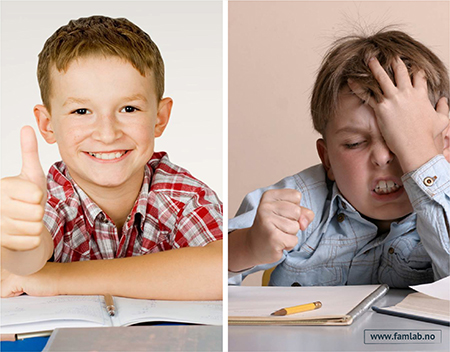
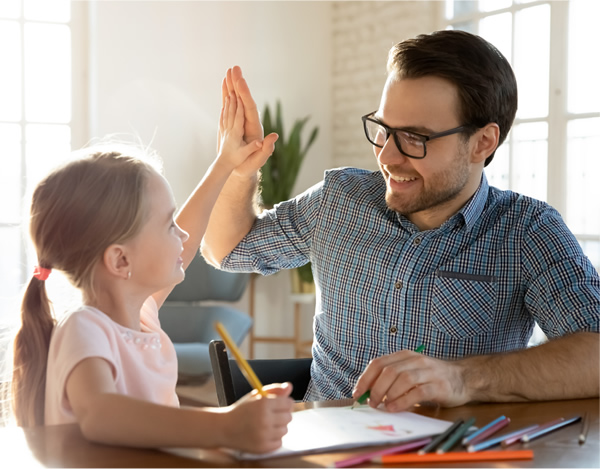
Gradually increasing self-regulation capacity and the maturation of the associated biological structures are important factors in a child's development of good mental health, ability to cope with major stresses, resilience, and optimal further development in life.
The course is also relevant for adults who have experienced trauma, or who want to understand more about themselves and their own experiences with trauma and relational stress. When we can better understand and process our own emotional, cognitive, and behavioral response patterns, we are better able to self-regulate. Obviously, this is an advantage when we are supporting children through our co-regulation, and this course will provide you with some insights about how to achieve this.
For Families, Kindergartens and Schools
The PLS model™ and framework is equally relevant in families, kindergarten, and schools, and has been used with success to increase cooperation between families, kindergarten, and schools. When more of the adults relating with the child understand and applies the principles of the PLS model™.
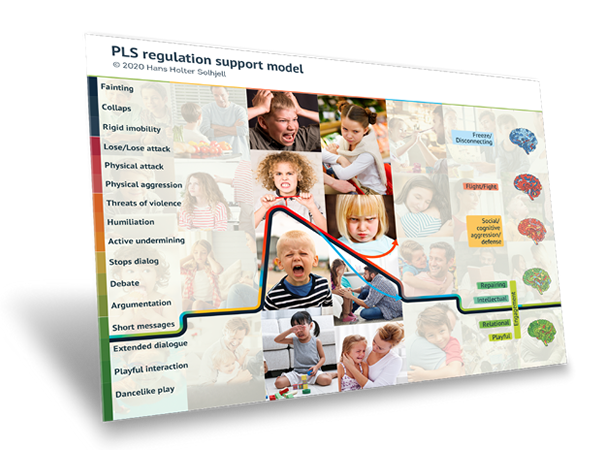
If you want to learn more about the PLS model™ and how to put it into practice in your daily life, please download a pdf of the model and register on our newsletter on this link.